
What Is a Hawkish Hold? Why Markets Move Without a Rate Hike
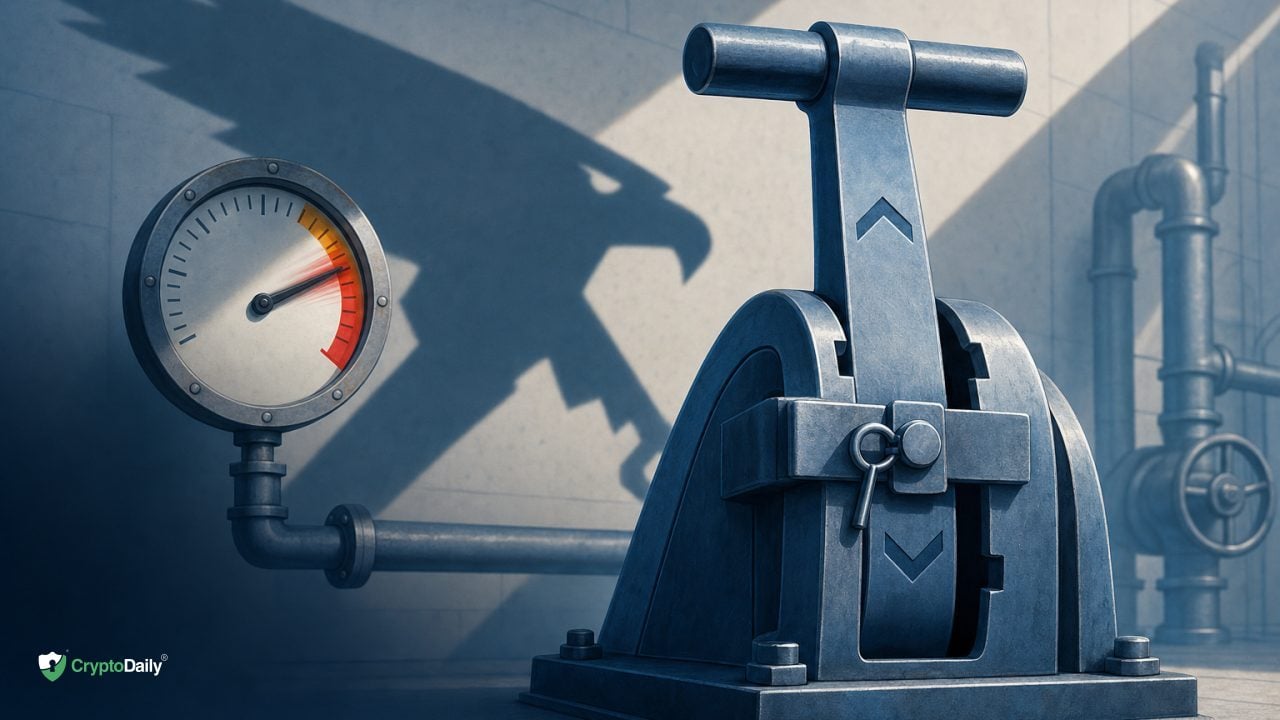
Ever see markets lurch around on Fed day even when the rate doesn’t change? That’s the hawkish hold effect. The policy rate stays put, but the message tightens. Traders care far more about the path ahead than the level today.
This isn’t academic hair-splitting. A single sentence in the statement, a dot shifting higher, or a line about the balance sheet can move billions. If you trade crypto, equities, or bonds, you’ll want a clean mental model for how a hawkish hold lands and what to do about it.
Let’s break it down in plain English, then map a simple playbook you can actually use on the next meeting.
Aspect
What to Know
Definition
A central bank keeps rates unchanged but signals tighter policy ahead via guidance, projections, or balance-sheet plans.
Why it moves markets
Expectations shift. Futures reprice the path and timing of cuts or hikes, changing costs of capital and risk appetite.
Key telltales
Statement wording turns tougher, dots drift up, press conference leans on inflation risks, QT stays firm or expands.
Immediate reactions
Front-end yields up, dollar firmer, growth stocks and crypto wobble, long end mixed depending on term premium.
Time horizon
First 30–90 minutes are noisy. The truer signal often shows by the New York close and into day two.
Main risks
Overreading one word, ignoring QT, missing the press conference pivot, or trading into low-liquidity whipsaws.
Who should care
Anyone exposed to duration, USD, or liquidity-sensitive assets like Bitcoin, altcoins, and high-multiple tech.
Markets don’t trade the present. They trade what’s next. In a hawkish hold, the policy rate doesn’t move, but the expected path does. That path lives inside interest rate futures, options, and swaps that handicap where policy will be three, six, or twelve months from now.
So how does the shift happen? Through communication. Central banks use statements, projections, and press conferences to steer expectations. If they hint at “higher for longer” or nudge their growth and inflation projections in a way that makes cuts less likely, traders pull forward tighter conditions into today’s prices. Even without a hike, borrowing costs rise because markets do the lifting.
There’s also the balance sheet. Quantitative tightening drains reserves and nudges term premiums. Liquidity-sensitive corners of the market feel that quickly. You might not see it instantly in the headline policy rate, but you’ll see it in real yields, credit spreads, and the dollar. Those are the pipes that feed risk assets.
Put simply: a hawkish hold is policy by guidance. It’s a way to tighten financial conditions without the blunt force of an actual hike.
Jargon, translated
- Hawkish: Bias toward fighting inflation, even at the cost of slower growth.
- Dovish: Bias toward supporting growth and employment, more tolerant of inflation risks.
- Dot plot: Policymakers’ anonymous rate projections by year, hinting at the likely policy path.
- Forward guidance: The central bank’s hints and promises about future policy to shape expectations now.
- Quantitative tightening (QT): Balance-sheet runoff that withdraws liquidity from the system over time.
- Terminal rate: The peak rate for this cycle as priced by markets or signaled by policymakers.
Step-by-Step Playbook
- Map the baseline odds before the meeting. Check what futures and OIS imply for the next two meetings. If the market already expects a tough tone, the bar to surprise is higher.
- Diff the statement, line by line. Focus on new phrasing about inflation, the labor market, and the need for “additional” policy firming. Small word changes matter.
- Watch the 2-year yield first. The front end reacts to path changes. A sustained pop in 2s usually confirms a hawkish shift more than a noisy knee-jerk in stocks.
- Read the dots and the path, not just the median. Are more members penciling in higher rates for longer? The distribution tells you how sticky the hawkish bias is.
- Listen closely to the press conference. Tone and Q&A often soften or sharpen the statement. Markets frequently reverse inside that hour.
- Scan the balance-sheet talk. Any hint of steady or faster QT tightens conditions. Watch comments about reserves, money markets, and the RRP usage landscape.
- Stagger entries and respect the clock. Liquidity is thin at release and into the first 15–30 minutes. If you must trade, scale in and keep stops honest.
How a Hawkish Hold Hits Crypto, Stocks, Bonds, and the Dollar
Think of a hawkish hold as gravity getting turned up a notch. The first to feel it is the front end of the Treasury curve. When traders believe cuts are further out, 2-year yields climb, the dollar firms, and liquidity-sensitive assets flinch.
Equities split. Profitable value names might hold up if earnings are sturdy. High-duration growth stocks tend to squirm because a higher discount rate compresses multiples. Crypto is its own animal, but it often trades like a high-beta liquidity proxy. On a clean hawkish surprise, Bitcoin usually sells first, then decides whether to fade the move after the press conference and into the Asia session.
Longer-dated bonds are trickier. If the message is hawkish but credible, and markets believe inflation will be anchored, the long end might not sell as hard. Sometimes the curve even bull-flattens as the front end jumps more than the back end. That nuance is why you watch 2s before you watch 10s.
Pro tip: Let the first 5-minute candle finish before reacting. Then anchor on the 2-year yield’s direction. If 2s stay bid for 30 minutes and the dollar is firm, treat the bounce in risk as suspect.
For crypto traders, one extra filter helps: real yields and the dollar together. A rising dollar plus higher real yields is the classic headwind. If one of those doesn’t confirm, the downside impulse can fade quickly. And when the message shifts from “higher for longer” to “gradual and data dependent,” crypto often snaps back faster than equities.
Hawkish vs Dovish Holds, and Actual Hikes/Cuts
Here’s a simple way to bucket the day.
Policy Outcome
Core Signal
Typical First Reaction
Who Feels It Most
Hawkish hold
Unchanged rate, tougher guidance, stickier QT
2-year yields up, USD up, stocks/crypto down
High-duration growth, altcoins
Dovish hold
Unchanged rate, easier guidance, softer risk tone
2-year yields down, USD down, risk up
Small caps, BTC, higher beta tech
Hawkish hike
Rate up with warnings of more
Curve bear-flattens, broad risk-off
Credit, long-duration equities
Dovish cut
Rate down with easing bias
Curve bull-steepens, risk-on
Carry trades, long-duration assets
The trick is that messages can blend. You can get a hawkish-sounding hold but a dovish press conference, which nets out to choppy and inconclusive. That’s where patience and time-of-day discipline save you.
Scenario Mapping: Inflation Sticky, Growth Soft, or Both
Not all hawkish holds come from the same place. The backdrop matters.
If inflation looks sticky while growth is steady, policymakers can comfortably lean hawkish. That pushes out cuts and keeps QT steady. Expect a stronger dollar and pressure on liquidity trades. The move can persist for weeks if data keeps confirming.
If growth is wobbling but inflation is still a bit high, the messaging gets delicate. You might hear more about “data dependence” and “two-sided risks.” It can still read as a hawkish hold if they keep leaning against near-term cuts. Markets often chop here, hunting for the next data release to break the tie.
And if both growth and inflation cool, a hawkish hold is harder to justify. You could still get one if the bank wants more proof before easing. In that case, the market might fade the hawkish tone quickly, especially on the long end of the curve and in crypto.
Pitfalls & Red Flags
- Cherry-picking one sentence. The statement plus the press conference is the package. Trade the composite, not a headline.
- Ignoring QT. Balance-sheet runoff can tighten even when rates are unchanged. It shows up in real yields and the dollar.
- Forgetting the clock. Liquidity is thinnest right after the release and at the press conference start. Whipsaws love those minutes.
- Confusing nominal and real yields. Risk assets key off real rates. If breakevens fall while nominals rise, that is extra tough for beta.
- Overstaying the first impulse. Many hawkish holds fade by the close if the Q&A softens the blow. Keep room to update your view.
- Trading the dots in isolation. The distribution and the tone matter as much as the median. One dot doesn’t set policy.
If you want more daily context, we cover policy days, on-chain flows, and liquidity angles at Crypto Daily with a focus on how it all spills into digital assets.
Frequently Asked Questions
What exactly is a hawkish hold?
It’s when a central bank keeps its policy rate unchanged but signals tighter conditions ahead. The message could be higher-for-longer rates, a slower path to cuts, or steady balance-sheet runoff. Markets reprice the future path, which tightens financial conditions today.
Why do markets move without an actual rate hike?
Because expectations drive prices. If traders push out the timing of cuts or add extra hikes to the path, the front end of the yield curve rises, the dollar firms, and risk assets re-rate. That happens even if the current rate doesn’t budge.
How can I tell if the hold is really hawkish?
Look for tougher wording in the statement, higher dots for the current and next year, and a press conference that stresses inflation risks over growth support. A persistent rise in 2-year yields and a stronger dollar confirm it.
Does QT count as tightening during a hold?
Yes. QT drains bank reserves and can lift term premiums. If policymakers keep QT running or hint at a higher runoff pace, that’s additional tightening pressure even with a steady policy rate.
What’s the usual playbook for Bitcoin on a hawkish hold?
Often a quick sell on the headline, then a judgment call after the press conference. If the dollar and real yields both rise into the close, crypto weakness can linger. If one of those fades, crypto sometimes snaps back first.
How long do the effects last?
The knee-jerk is minutes to hours. The trend impact can run for days or weeks if data keeps validating the guidance. If the next jobs or inflation print breaks the narrative, the repricing can unwind just as fast.
Are hawkish holds common?
They show up regularly late in a tightening cycle or during a long plateau. Policymakers use them to keep pressure on inflation expectations without continually hiking.
Disclaimer: This article is provided for informational purposes only. It is not offered or intended to be used as legal, tax, investment, financial, or other advice.
TNG – Latest News & Reviews


